
NORTH HALEDON, NEW JERSEY
Indoor Air Quality Services in North Haledon, NJ
Start with what is affecting the air.
Dust, dry air, moisture, and stale rooms are different concerns. A useful indoor-air plan starts with the source, the home's ventilation, and your existing equipment. An accessory should fit the problem, not just the sales pitch.
START WITH WHAT YOU NOTICE
Is this what is happening?
- Rooms feel stale or poorly ventilated.
- Dust returns quickly despite ordinary cleaning.
- The home feels unusually dry or damp.
- You want to understand whether an air-quality accessory fits your system.
A CLEARER ASSESSMENT
Understand the issue before choosing the work.
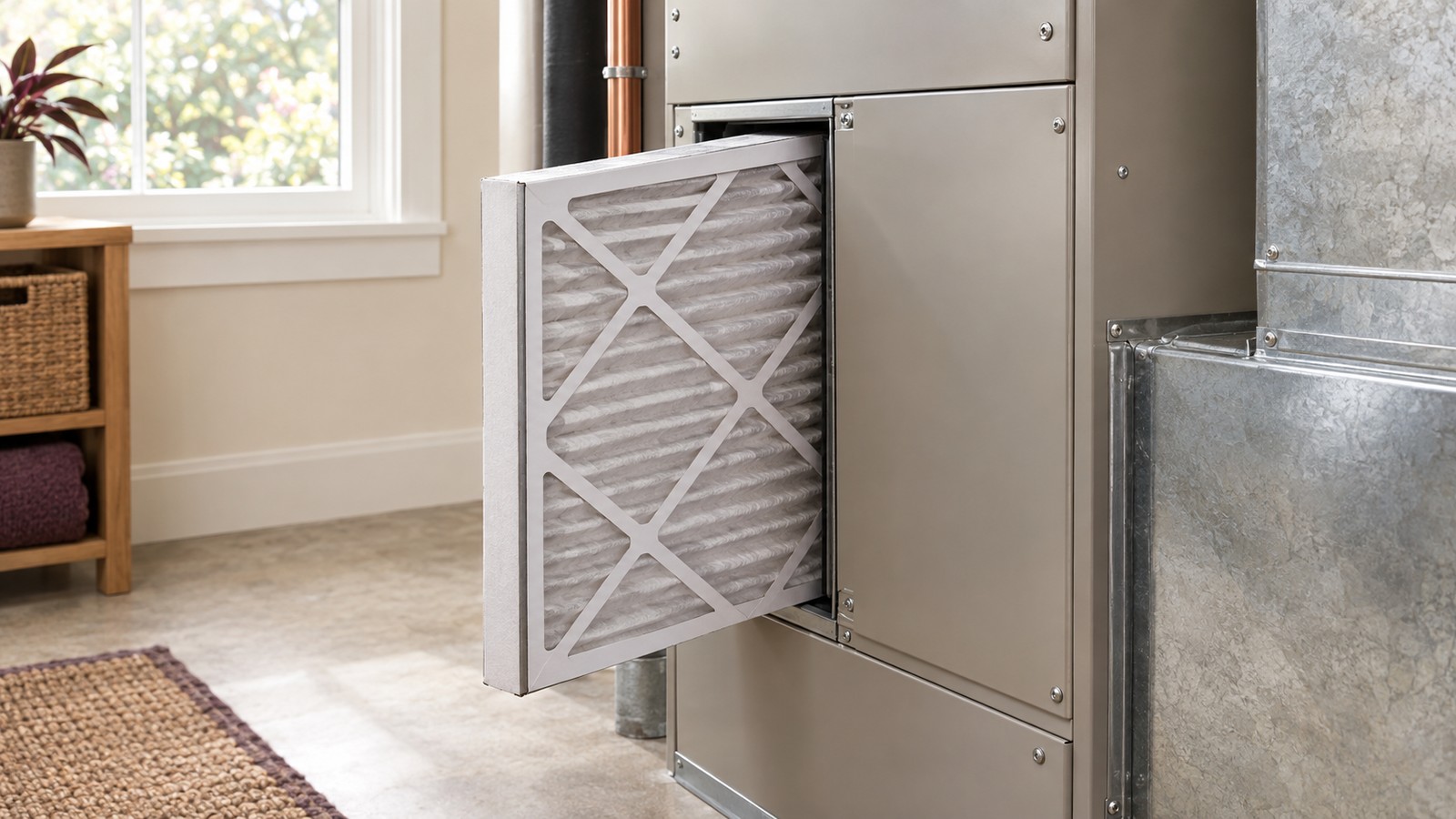
Describe where the concern is strongest and when it occurs. Review filter fit, airflow, humidity, ventilation, and possible pollutant sources. The EPA explains that source control, ventilation, and filtration each play a role. HVAC accessories do not replace addressing moisture damage or other sources.
Filtration targets particles; ventilation brings in and manages outdoor air; humidity control addresses moisture levels. These are not interchangeable solutions. Ask how a proposed accessory will connect to your equipment, what upkeep it needs, and how its effect can be reviewed.
Think beyond one part.
Stronger filtration is not automatically a better fit for every system. Filter resistance and airflow should be considered together. Health concerns belong with a healthcare professional, and suspected mold or building damage may need a separate assessment. No HVAC product should be presented as a guaranteed medical solution.
Prepare a useful service request.
Tell us whether the concern is dust, odors, dryness, moisture, or stale air, and where it occurs.
See our homeowner guide for questions to ask before approving work. For independent reading, review EPA indoor air quality guidance.
USEFUL ANSWERS
Questions about indoor air quality.
Will an air filter solve every indoor-air concern?
No. Filters address some particles, but moisture, pollutant sources, and ventilation may need different actions. Start with the concern you notice.
Should I choose the highest-rated filter?
Use a filter compatible with the equipment and airflow requirements. Ask about fit, resistance, replacement frequency, and manufacturer guidance.
YOUR NEXT STEP
Let's talk about indoor air quality.
Tell us whether the concern is dust, odors, dryness, moisture, or stale air, and where it occurs.
Scope, pricing, and appointment availability are confirmed directly. An inquiry is not a booked visit or emergency dispatch.
Prefer email? Info@NorthHaledonHVAC.com

Comfort that feels right. Help that makes sense.
Heating, cooling, and home-comfort services in North Haledon, New Jersey.
(862) 420-9619
Info@NorthHaledonHVAC.com
See Our Google Reviews